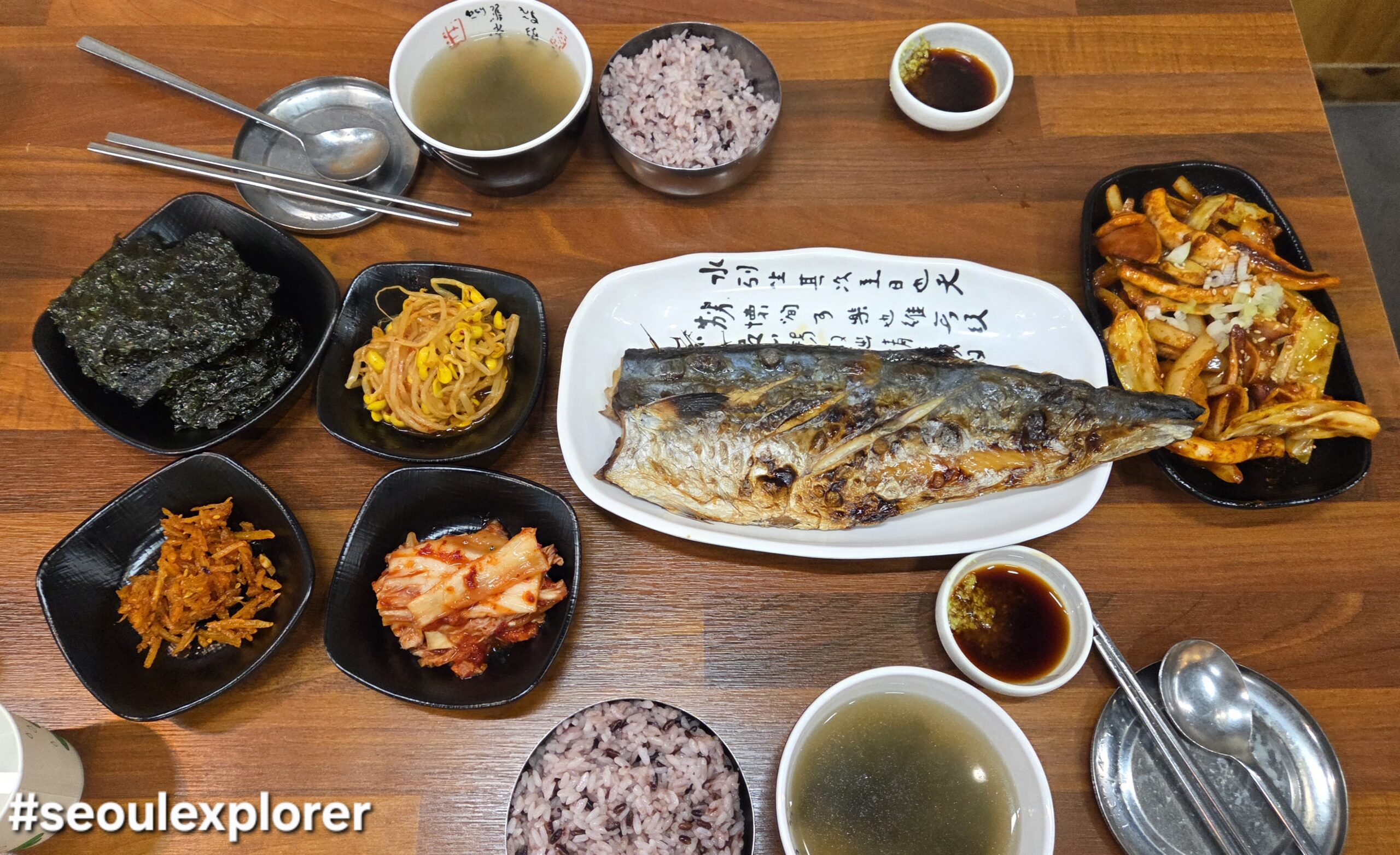
Seoul is a paradise for food lovers. From the sizzling sounds of street-side Gwangjang Market to the refined flavors of Myeongdong’s hidden gems, every meal is an opportunity to dive deep into the culture. However, for many global travelers, mastering Korean dining etiquette can feel a bit like a test. “Where are the napkins?” “Is it okay to share this stew?” “Should I leave a tip?” Knowing the right Korean dining etiquette will turn your meal from a stressful moment into an authentic local experience.
As a local who grew up navigating these bustling dining rooms, I can tell you that Korean table manners aren’t about being strict; they are about showing respect and sharing a communal bond. If you want to move beyond being just a tourist and eat like a true local, this guide will walk you through everything you need to know.
Before the First Bite: The Art of the Table Setting
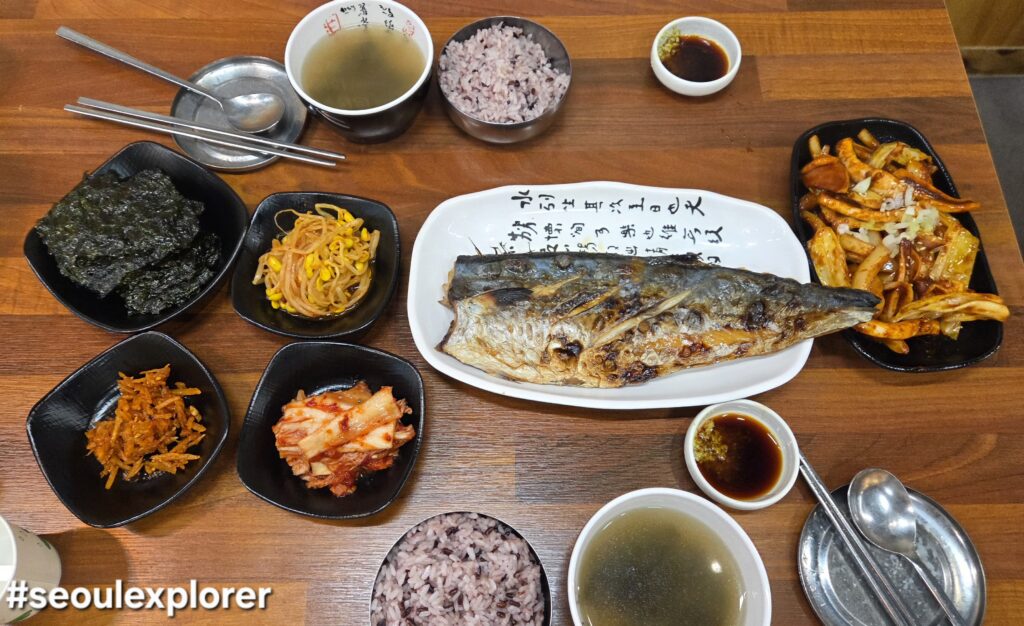
When you sit down at a restaurant in Seoul, you might notice the table looks a bit “empty.” No napkins, no cutlery, and sometimes no menu. Don’t panic!
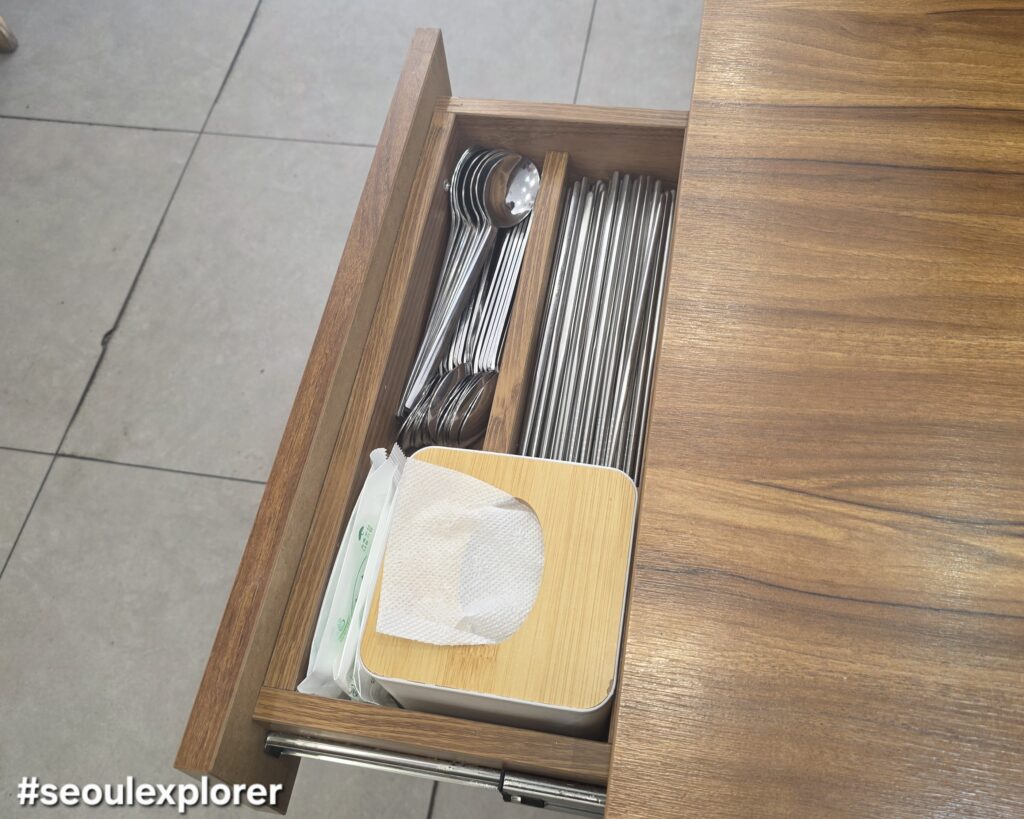
The Magic Drawer
In most modern and traditional Korean restaurants, you won’t find your utensils wrapped in paper on the table. Instead, look at the side of the table. There is almost always a hidden sliding drawer. Inside, you’ll find neatly organized spoons, chopsticks, and napkins. It’s a space-saving genius that often confuses first-timers!
Water and the “Self” Culture
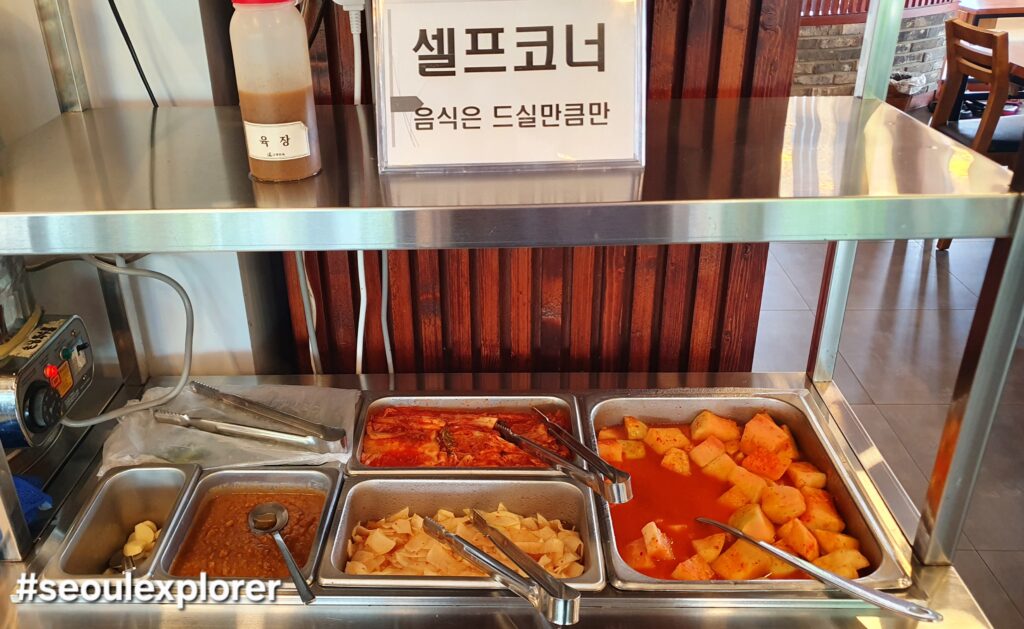
Unlike in some Western countries where servers wait on your every need, Korea has a strong “Self” culture. If you see a sign that says “Water is Self (물은 셀프),” it means you should grab your own water bottle and cups from the fridge or dispenser. Similarly, many places have a “Banchan Self-Bar” where you can refill those delicious side dishes as much as you want—just make sure you only take what you can finish.
The Do’s and Don’ts of Korean Dining Etiquette
Korean dining etiquette is deeply rooted in Confucian values, which prioritize respect for elders and the group over the individual.
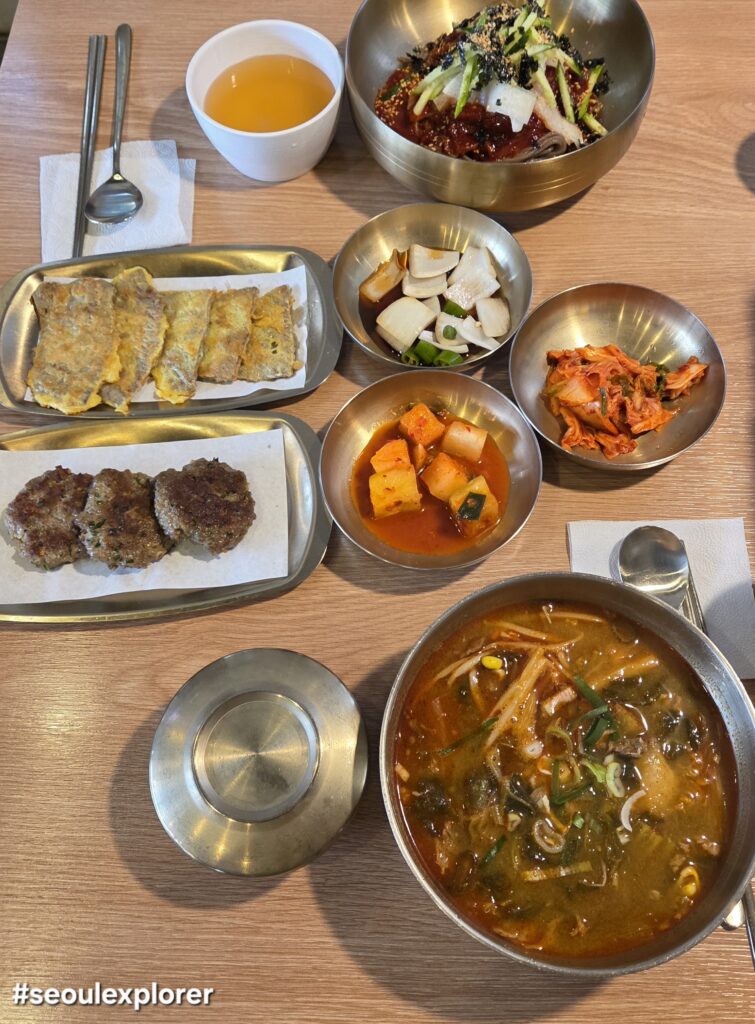
– Wait for the Signal
The most important rulein Korean dining etiquette is the “Elder First” rule. If you are dining with Korean friends or seniors, do not pick up your chopsticks until the oldest person at the table has started eating. It’s a simple gesture that shows immense respect.
– Spoon vs. Chopsticks
In Korea, we use a spoon for rice and soup, and chopsticks for side dishes. One unique rule? Do not hold both at the same time. Use one, then set it down before picking up the other. Also, never poke your chopsticks vertically into your rice bowl—this mimics an incense ceremony for the deceased and is considered very bad luck.
– Keep the Bowl on the Table
If you’ve traveled to Japan or China, you might be used to lifting your bowl to your mouth. In Korea, this is a big “no-no.” Keep your rice or soup bowl on the table while you eat. Lifting the bowl is historically associated with being in a rush or lacking manners.
For more official cultural insights, check out the Visit Korea guide to Korean manners.
Practical Tips for the Modern Diner
Sometimes the most confusing parts of a meal aren’t the manners, but the technology and the environment.
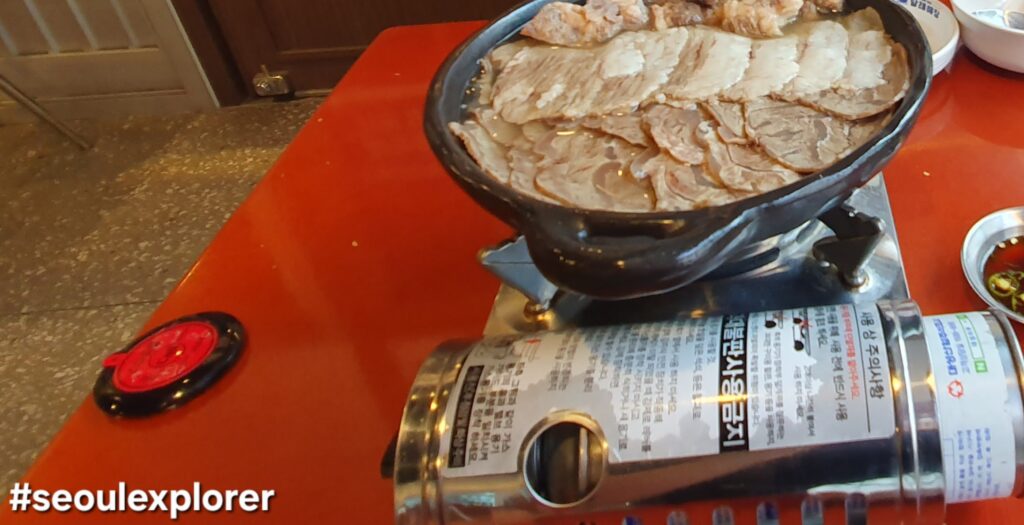
The Magic Button (Call Button)

Tired of waving your hand to get a server's attention? Look for a small circular button on your table. Pressing it will alert the staff (often with a "Ding-dong!" sound). It’s not rude; it’s the standard way to ask for more water, another round of BBQ, or the bill.
No Tipping, No Stress

One of the best things about dining in Korea is the lack of a tipping culture. The price you see on the menu is exactly what you pay. In fact, if you try to leave money on the table, a worried server might chase you down the street thinking you forgot your change!
The Bill and the Exit

In most casual restaurants, you don’t pay at the table. Instead, you take the "Bill" (a small clipboard or slip of paper) located on your table and walk it to the counter near the entrance. If you need help figuring out how to navigate these payments or using the digital kiosks that are becoming common, be sure to check my previous guide on how to order food in Korea.
It’s About the Experience
Don’t worry too much about being perfect. Koreans are incredibly welcoming to travelers and understand that our customs might be new to you. The fact that you are trying to follow Korean dining etiquette and using chopsticks will be greatly appreciated.
The heart of Korean food is “Jeong”—a feeling of warmth and attachment. When you share a bubbling stew with friends orlearn the essentials of Korean dining etiquette, you are experiencing the real soul of Seoul. So, relax, grab those chopsticks, and enjoy the feast!
- Seoul Temple Stay in 2 Hours: 3 Best Spots for Busy Travelers (2026)
- Seoul Hiking Guide 2026: Rent Gear & Best Local Trails
- Stop Waiting in Line! Check Seoul Real-Time Congestion Now
- Safe Night Walk in Seoul: 5 Well-Lit Routes (2026 Native Guide)
- Escape the Haze: Seoul Fine Dust Guide 2026 & Best Indoor Itinerary Tips