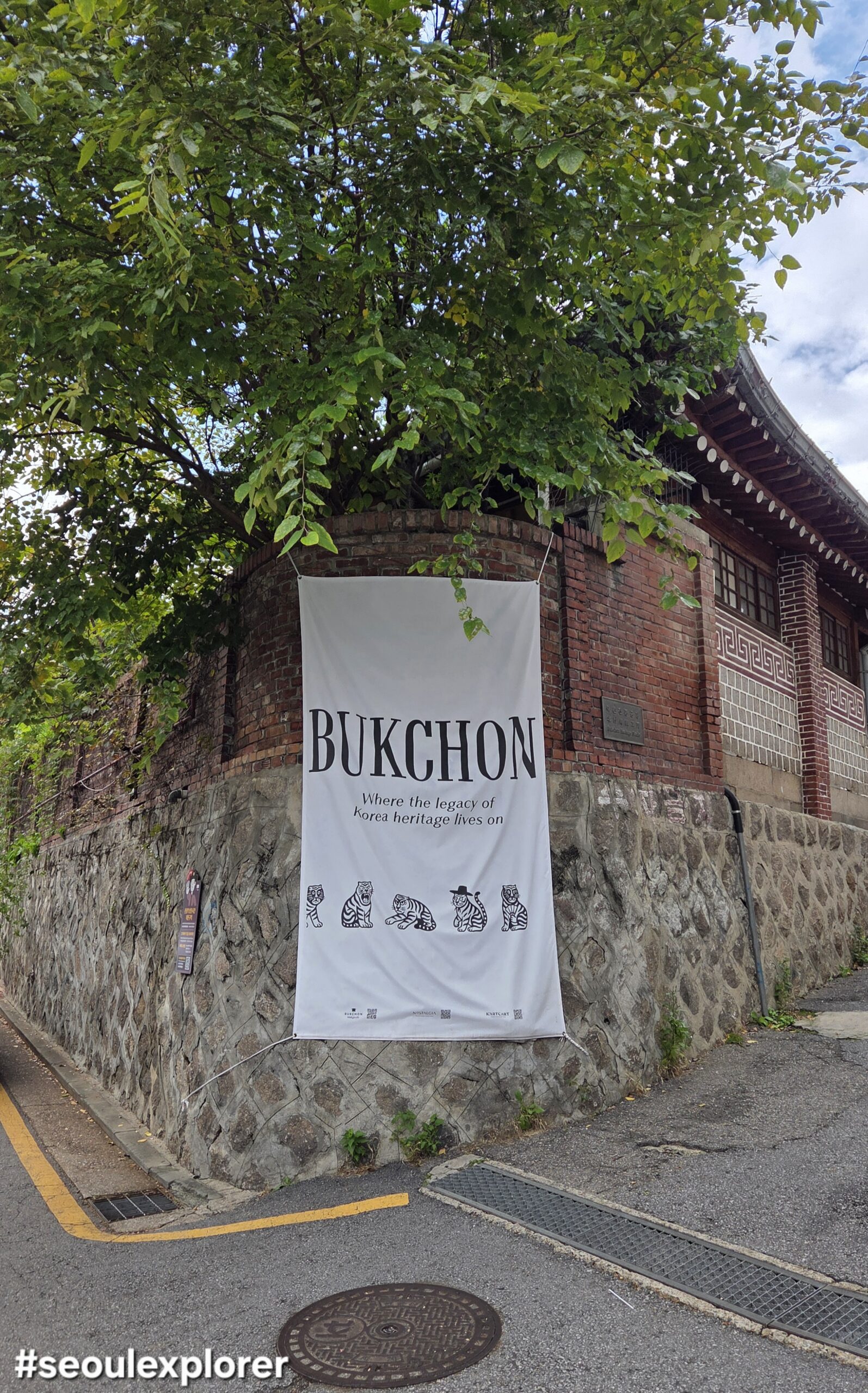
Seoul is a city that never sleeps, constantly racing toward the future with its gleaming skyscrapers and high-tech subways. But in the heart of this neon-lit metropolis lies a place where time seems to hold its breath. Bukchon Hanok Village isn’t just a tourist attraction; it’s a living museum where the Joseon Dynasty meets the 21st century.
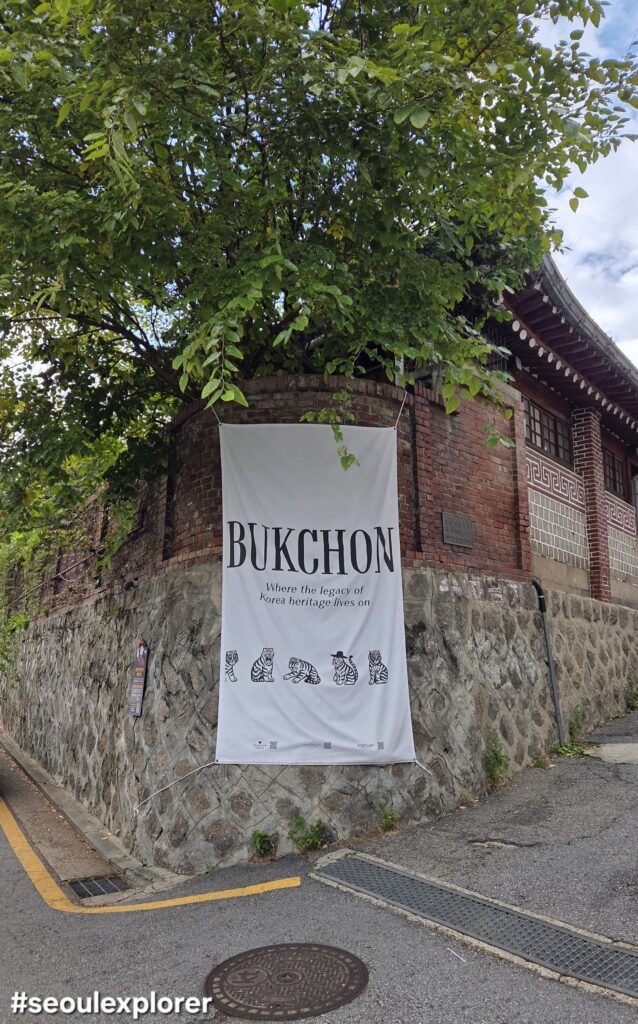
As someone who grew up in Seoul, I always tell my friends that Bukchon Hanok Village is like a time machine. One minute you’re walking past a modern art gallery in Anguk-dong, and the next, you’re surrounded by the warm wooden tones and elegant tiled roofs (Giwa) of traditional Korean houses. What makes this place truly special is that it isn’t a reconstructed movie set. It’s a real neighborhood where people still live, cook, and raise families. This blend of “living history” gives Bukchon an atmosphere you won’t find anywhere else in the world.
1. Start Your Journey: Hanbok and Heritage
To truly immerse yourself in the spirit of old Seoul, I highly recommend stopping by Hanboknam. Wearing a Hanbok (traditional Korean clothing) isn’t just for photos; it changes the way you walk and feel as you explore the narrow stone alleys.
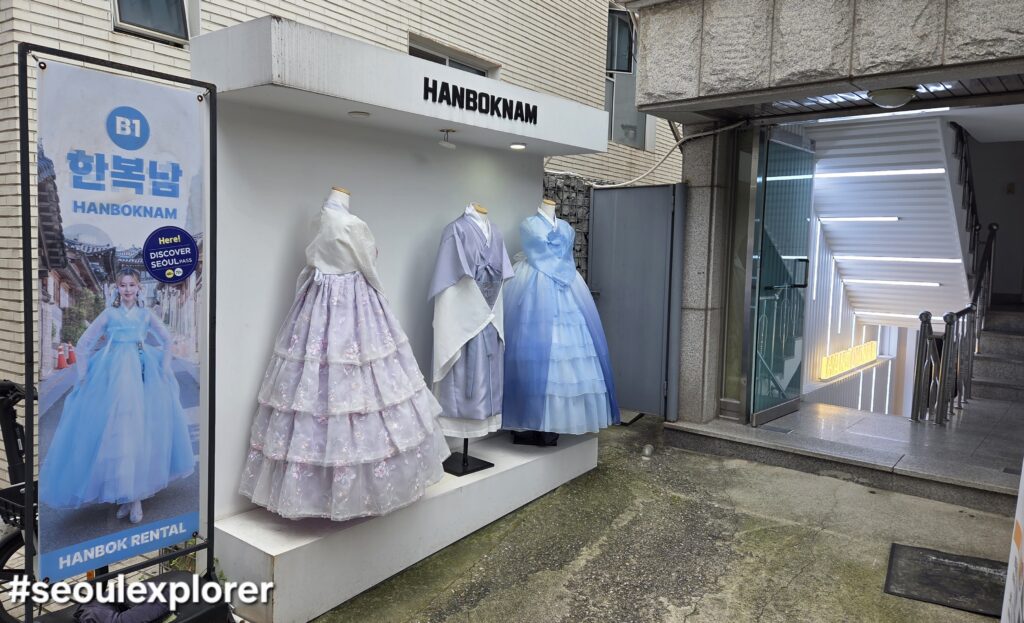
Plus, if you’re planning to visit Gyeongbokgung Palace later, you’ll get free admission if you’re dressed in Hanbok! It’s the perfect way to pay respect to the history of this beautiful village.
Find Hanboknam Bukchon Store on Google Maps
2. A Local’s Feast: Must-Eat Spots in Bukchon Hanok Village
Walking through the hilly alleys of Bukchon Hanok Village will surely work up an appetite. In this area, two places stand out as legendary institutions. One represents the humble taste of tradition, while the other showcases the trendy “New-tro” (New + Retro) culture of Seoul.
Samcheong-dong Sujebi: A Michelin-Starred Comfort
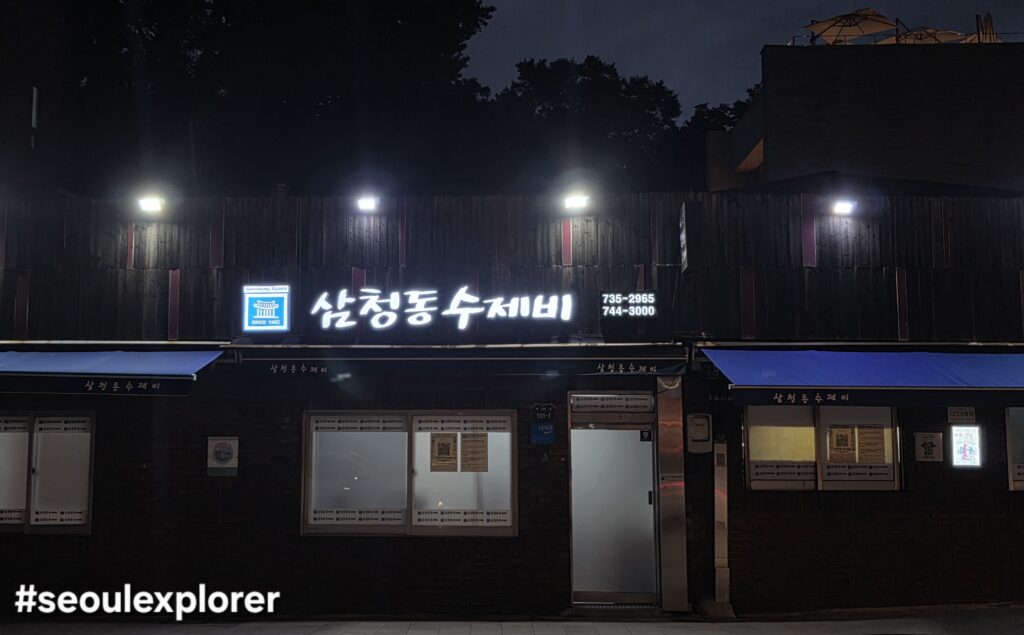
This legendary spot is a staple of the neighborhood and has been featured in the Michelin Guide for years. They specialize in Sujebi, which are hand-pulled dough flakes served in a rich, savory anchovy broth. It’s a humble dish, but the texture of the thin, chewy dough and the deep flavor of the soup are pure comfort. Since it’s incredibly popular, you might see a long line, but don’t be intimidated—the service is fast. Before you head in, make sure you know how to order food in Korea like a pro, as these traditional spots can be very busy!
View Samcheong-dong Sujebi on Google Maps
Onion Anguk: The Ultimate Hanok Bakery
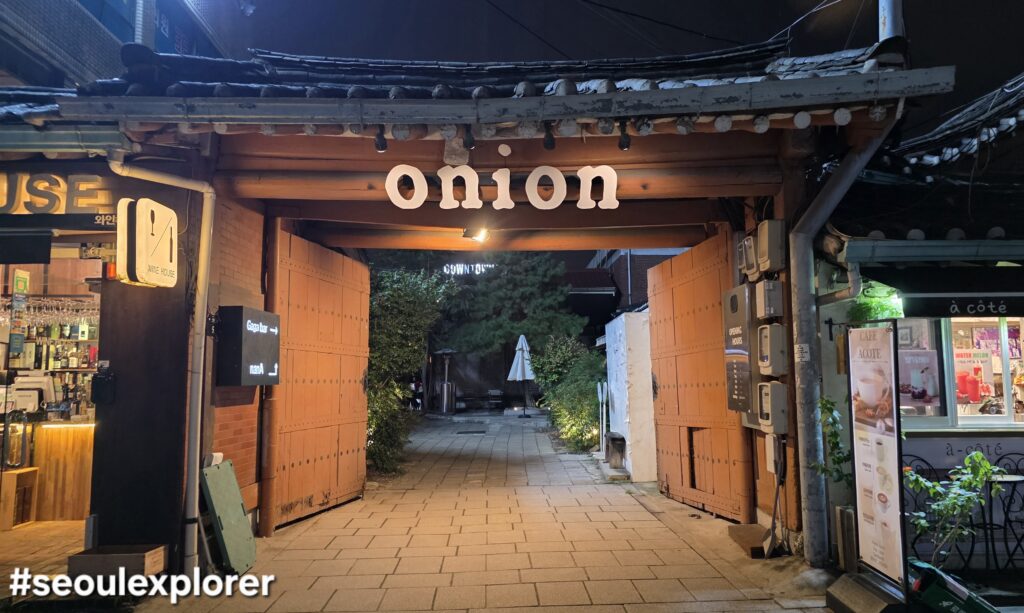
For dessert or a caffeine fix, you simply cannot miss Onion Anguk. This is one of the most iconic cafes in the city. Housed in a massive, beautifully renovated Hanok, it perfectly blends ancient wooden pillars with the aroma of freshly baked modern pastries. Their signature “Pandoro” is a must-try. I recommend taking your shoes off and grabbing a seat on the traditional floor (Ondol style) in the main hall. It’s the perfect place to relax and watch the world go by through the open courtyard.
Check the location of Onion Anguk on Google Maps
3. The Iconic View: Gahoe-dong Photo Alleys
If you’ve seen a postcard of Seoul, it was likely taken here. The Gahoe-dong Photo Alleys offer the most breathtaking view of the entire Bukchon Hanok Village.
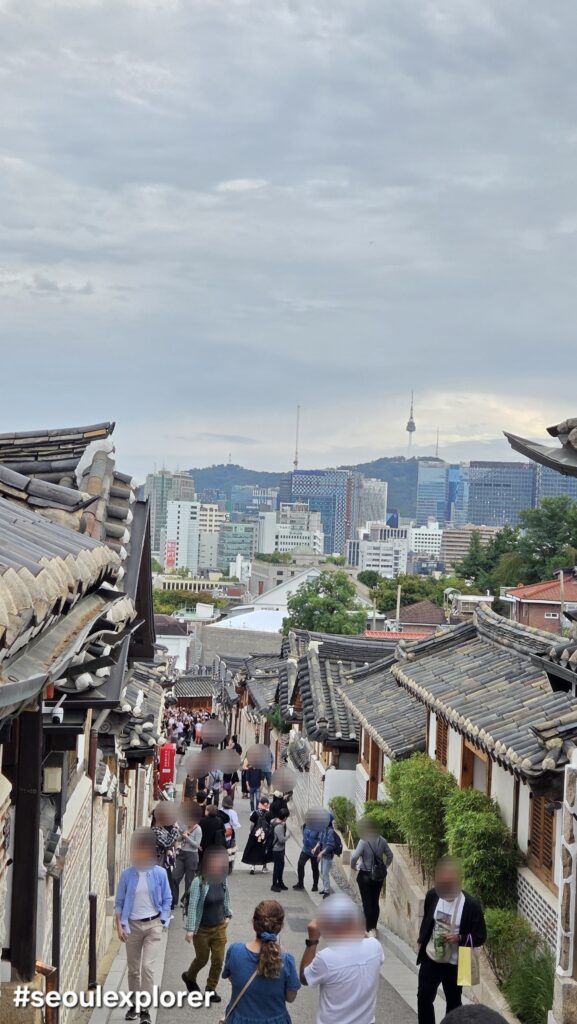
As you climb the gentle slope, the dense rows of Hanok roofs create a beautiful pattern, with the modern N Seoul Tower standing tall in the distance. It’s a visual representation of Seoul’s identity—the perfect harmony between the old and the new. After exploring these alleys, you might want to head over to the Ikseon-dong Hanok Village to see a more commercial and trendy version of these traditional streets.
4. A Quiet Request: Respect the Living Museum
While Bukchon Hanok Village is undeniably beautiful, it’s important to remember that these Hanoks are private homes.
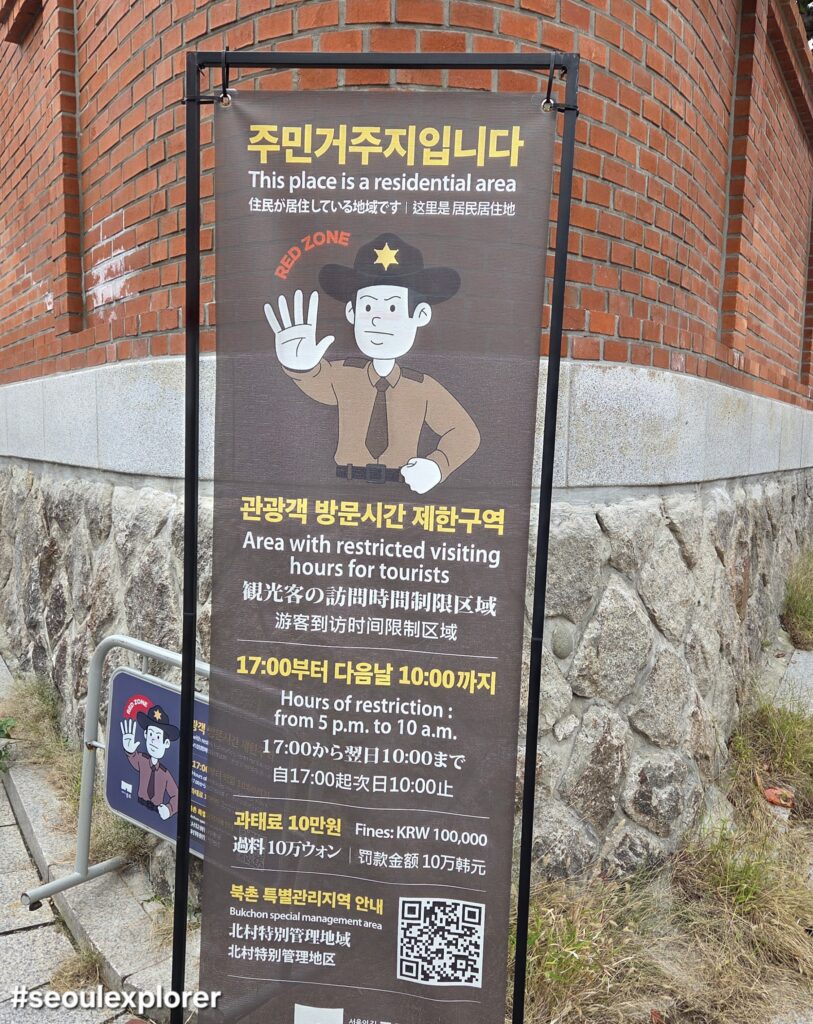
You’ll see signs reminding visitors to be quiet, and it’s something we locals really appreciate. Just as you practiced Korean dining etiquette during lunch, “silent tourism” is the key etiquette for the streets of Bukchon. By keeping your voice down, you help preserve the peaceful dignity that makes this neighborhood so magical.
5. Deep Rest: Rakkojae Hanok Stay
If you feel like a few hours isn’t enough, consider staying the night at Rakkojae.
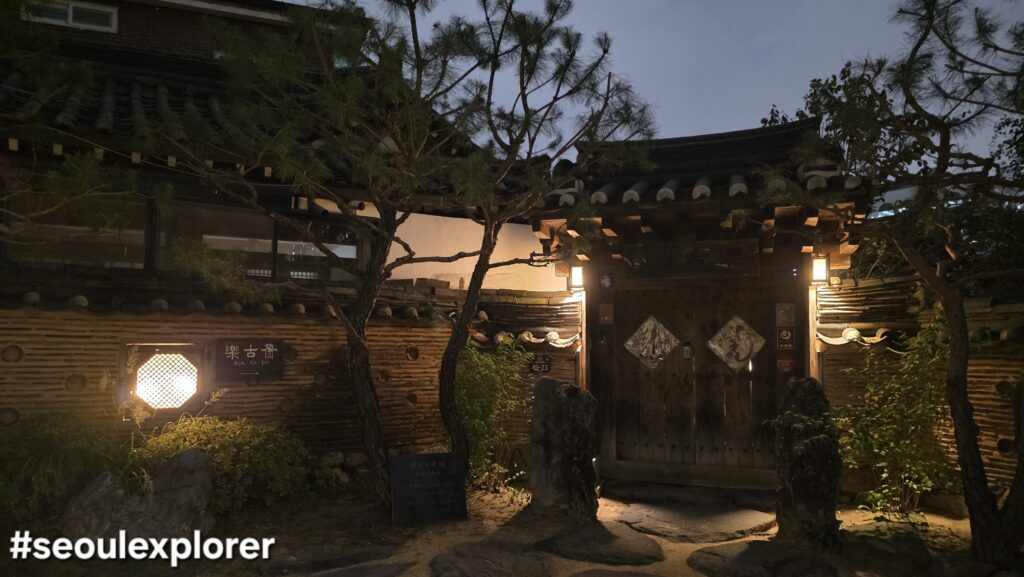
This premium Hanok stay offers a glimpse into the lifestyle of the ancient Korean nobility. Imagine waking up to the sound of wind chimes and the smell of aged pine wood. It’s a luxury experience that connects you deeply to the roots of Korean culture, much like the quiet elegance you’ll find on a Deoksugung Stonewall Walkway stroll.
Get directions to Rakkojae Hanok Stay on Google Maps
Bukchon is more than just a cluster of old houses; it’s a place where you can hear the whispers of history while standing in the middle of a modern city. I hope this guide helps you navigate Bukchon Hanok Village with ease and confidence. Remember to wear your Hanbok, enjoy the Michelin-starred soup, and most importantly, respect the quiet peace of this living museum.
As you continue your journey, don’t forget that Bukchon Hanok Village is just one of the many cultural treasures Seoul has to offer. Whether you’re following Korean dining etiquette at a local table or wandering through ancient alleys, you are experiencing the true soul of Korea. Enjoy every moment of your time-traveling adventure!
- Seoul Temple Stay in 2 Hours: 3 Best Spots for Busy Travelers (2026)
- Seoul Hiking Guide 2026: Rent Gear & Best Local Trails
- Stop Waiting in Line! Check Seoul Real-Time Congestion Now
- Safe Night Walk in Seoul: 5 Well-Lit Routes (2026 Native Guide)
- Escape the Haze: Seoul Fine Dust Guide 2026 & Best Indoor Itinerary Tips