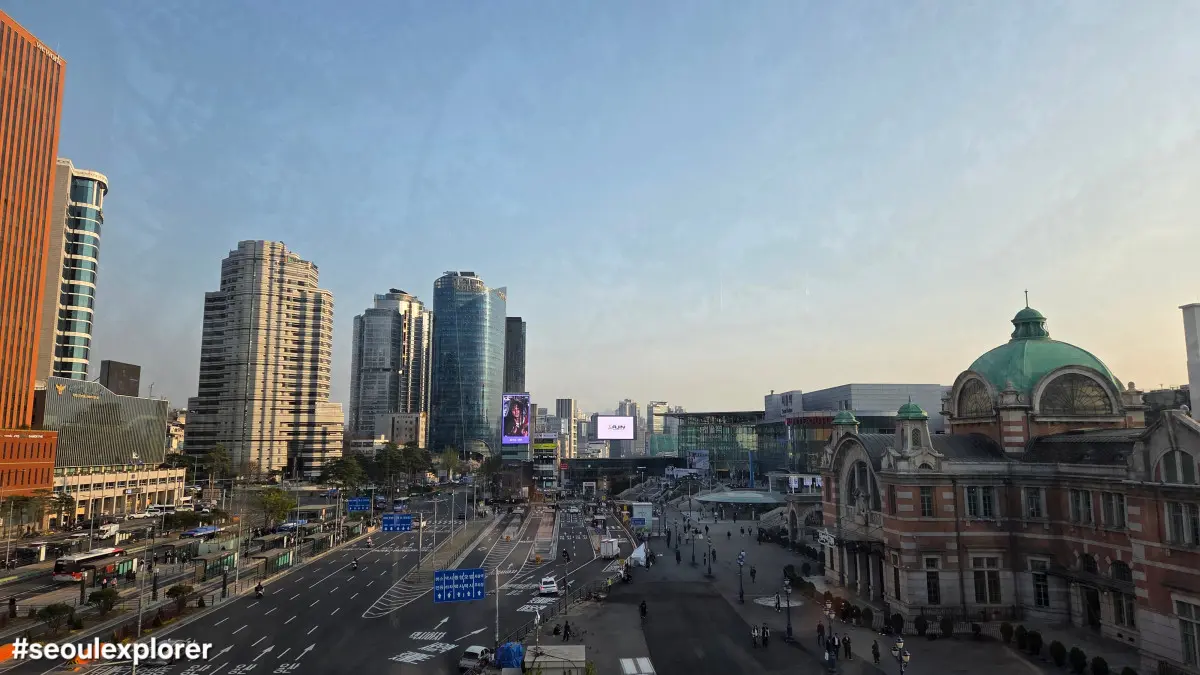
Seoul Station is the busiest railway station in South Korea and one of the first places many travelers visit after arriving from Incheon Airport. It is not just a train station—it is one of Korea’s largest transportation hubs, connecting the airport, high-speed trains, the subway, buses, and nearby attractions. Many first-time visitors become confused because there are multiple entrances, different railway services, and several station buildings that look similar.
The good news is that once you understand how the station is organized, getting around becomes much easier. This Seoul Station Guide explains everything you need to know, from finding the correct platform to using lockers, transferring between AREX and KTX, and locating useful facilities inside the station.
Whether you’re arriving from Incheon Airport, catching a KTX train to Busan, or simply storing your luggage while exploring Seoul, this guide will help you navigate Seoul Station with confidence.
Quick Answer: Seoul Station Guide
If you’re short on time, here’s what you need to know:
- AREX trains connect Incheon Airport and Seoul Station.
- KTX trains depart for major cities including Busan, Daegu, Daejeon, and Gwangju.
- Subway Lines 1 and 4 stop directly at Seoul Station, making transfers easy.
- If you’re carrying luggage, use the station lockers or T-Lockers before sightseeing.
Although Seoul Station looks complicated at first, clear signs in Korean, English, Chinese, and Japanese make it much easier to find your way. Giving yourself an extra 20 to 30 minutes before boarding a train is usually enough for first-time visitors.
Why Every Tourist Should Read This Seoul Station Guide
Most travelers pass through Seoul Station at least once during their trip. You may arrive from Incheon Airport on the AREX, take a KTX train to another city, or use the subway to reach popular areas such as Myeongdong, Hongdae, or Gyeongbokgung. Seoul Station is also within walking distance of attractions like Namdaemun Market and Seoullo 7017, making it more than just a transportation hub.
Because so many transportation options come together in one place, it’s easy to head in the wrong direction or waste time searching for the correct exit. Understanding the station layout before you arrive can save time and reduce unnecessary stress, especially if you’re traveling with luggage or have a tight connection.
Seoul Station Guide: Understanding the Station Layout
One reason Seoul Station feels confusing is that it serves several different transportation systems under one roof. Instead of thinking of it as a single station, it helps to think of it as four separate areas connected by walkways.
| Area | Main Purpose |
|---|---|
| AREX | Airport Railroad to and from Incheon International Airport |
| KTX & ITX | High-speed and intercity trains across Korea |
| Seoul Subway | Lines 1 and 4 with connections to the rest of Seoul |
| Station Facilities | Restaurants, cafés, convenience stores, lockers, and shops |
Most signs are available in English, so following the color-coded signs is usually easier than relying only on station maps.
One thing that surprises many visitors is the walking distance between different transportation services. For example, transferring from the AREX platforms to the KTX concourse can take several minutes, especially if you’re carrying heavy luggage.
If you’re changing trains, avoid leaving the station unless the signs specifically direct you to do so. Following the transfer signs inside the station is usually the quickest route.
Arriving at Seoul Station from Incheon Airport
For many international visitors, Seoul Station is the first place they see after leaving the airport. The Airport Railroad Express (AREX) offers two types of trains:
| Train Type | Best For |
|---|---|
| Express Train | Non-stop service between Incheon Airport and Seoul Station |
| All Stop Train | Stops at every station along the route and costs less |
If you’re staying near Myeongdong, Hongdae, or Seoul Station itself, AREX is often one of the fastest and most convenient ways to travel from the airport. The official AREX website provides train schedules, fares, and service updates.
Related Guide: Incheon Airport to Seoul Station: 2026 AREX Guide, Prices & Local Tips
After arriving, simply follow the signs for Subway, KTX, or Exit, depending on where you’re heading next.
Which Exit Should You Use?
One of the most common questions from tourists is:
“Which exit should I use at Seoul Station?”
Unlike many subway stations, Seoul Station has several exits leading to different parts of the city.
As a general guide:
- For Lotte Outlets and nearby hotels, follow the signs from the main station building.
- For KTX passengers, remain inside the station until you reach the departure concourse.
- For subway transfers, simply follow the Line 1 or Line 4 signs without exiting the station.
- For airport transfers, follow the clearly marked AREX signs.
If you’re unsure, don’t worry too much about choosing the “perfect” exit. English signage is widespread throughout the station, and station staff are accustomed to helping international visitors.
Seoul Station Guide: Lockers for Travelers with Luggage
If you’re carrying a suitcase or backpack, using a locker is one of the easiest ways to explore Seoul without dragging your luggage around. Whether you’ve arrived early before hotel check-in or have time to spare before catching a KTX train or the AREX, storing your bags can make your trip much more comfortable.
Seoul Station offers two different types of luggage storage depending on where you are inside the station.
- T-Lockers are located in the Subway Line 1 and Line 4 concourse.
- Standard luggage lockers are located in the main Seoul Station concourse.
The standard lockers are available in three locations on the second floor, making them easy to access before boarding a train or heading into the city. You can check locker locations and availability through the official T-Locker website.
Standard Locker Locations
| Location | Description |
|---|---|
| Near Exit 1 | Standard luggage lockers |
| Near Exit 2 | Standard luggage lockers |
| Near Exit 3 | Standard luggage lockers with nearby seating |
All standard lockers are operated through a self-service kiosk. Accepted payment methods include:
- Credit cards
- Cash (₩1,000, ₩5,000, and ₩10,000 bills only)
Seoul Station Locker Fees
| Locker Size | Base Fee (First 2 Hours) | After 2 Hours (up to 12 Hours) | After 12 Hours |
|---|---|---|---|
| Small | ₩1,000 | ₩200 per hour | ₩1,000 every 12 hours |
| Extra Large | ₩3,000 | ₩500 per hour | ₩2,500 every 12 hours |
Related Guide: Seoul Subway Lockers Guide (2026): Prices, Reservation & T-Locker Tips
Local Tip
During my visits to Seoul Station, I noticed that the lockers near Exit 1 and Exit 2 are usually the first to fill up, especially on weekends and holidays.
If they’re full, walk a little farther to the lockers near Exit 3. This area is often less crowded, and there are benches directly in front of the lockers, making it a convenient place to reorganize your luggage before continuing your trip.
If all the lockers inside Seoul Station are occupied, don’t worry. You still have two good alternatives:
- Connect Terrace, which is connected to the station on the third floor.
- Lotte Outlets Seoul Station, directly connected to the station and offering additional luggage lockers.
These locations are useful backups during busy travel periods when the station lockers are full.
Convenience Stores, Cafés & Food
One of the best things about Seoul Station is that you can easily buy food, drinks, or travel essentials before continuing your journey. Inside the station, you’ll find convenience stores, bakeries, cafés, restaurants, and fast-food chains.
Popular options include:
- CU
- GS25
- Starbucks
- Paris Baguette
- Lotteria
If you’ve just arrived from the airport, this is also a convenient place to buy bottled water, snacks, a charging cable, or an umbrella before heading into the city. Many restaurants open early in the morning and stay open until late evening, making Seoul Station a convenient stop even if you have a long transfer.
Currency Exchange, ATMs & Travel Services
Although many visitors exchange money at Incheon Airport, Seoul Station is another convenient place to take care of travel essentials.
You can find:
- ATMs accepting international cards
- Currency exchange services
- Tourist information
- Transportation card charging machines
- WOWPASS machines
If you plan to travel around Seoul using public transportation, this is also a good time to top up your T-money card before leaving the station.
Related Guide: How to Buy and Use a T-Money Card: The Only Guide You Need
Restrooms and Other Useful Facilities
Clean public restrooms are available throughout Seoul Station and are clearly marked with multilingual signs. You’ll also find several useful facilities for travelers, including:
- Restrooms
- Pharmacy
- Baby care rooms
- Elevators and escalators
- Waiting areas
- Drinking water fountains
- Information desks
- Free seating areas
Another convenient service is the self-service charging station, where travelers can charge their phones or rent a portable power bank if their battery is running low. This can be especially useful before taking a long KTX journey or spending the day exploring Seoul.
Related Guide: Phone Charging in Seoul: 5 Easy Places Tourists Can Charge Their Phones
If you’re carrying heavy luggage, use the elevators instead of the escalators whenever possible. They are easy to find and make moving between floors much more comfortable.
Local Tips for Using Seoul Station Like a Local
Knowing a few local habits can make your visit much smoother.
Arrive Early for KTX
If you’re taking a KTX train, arrive at least 20–30 minutes before departure. While boarding is straightforward, Seoul Station can be busy during weekends and holidays. You can check train schedules, fares, and reserve tickets on the official KORAIL website.
Avoid Rush Hour When Possible
Morning and evening rush hours can be crowded with commuters. Typical busy times are:
- 7:30–9:00 AM
- 5:30–7:00 PM
If you’re traveling with large suitcases, you’ll have a much more comfortable experience outside these hours.
Follow the Signs Instead of GPS
GPS signals can sometimes be inaccurate inside large stations. Fortunately, Seoul Station has clear multilingual signs directing passengers to:
- AREX
- KTX
- Subway Lines 1 & 4
- Taxi stands
- Bus stops
- Exits
In most cases, following the station signs is easier than relying on your phone.
Don’t Worry If You Get Lost
Even experienced travelers occasionally take the wrong corridor inside Seoul Station. If you’re unsure where to go, simply visit an information desk or ask a station employee. Most staff are familiar with helping international visitors and can usually point you in the right direction.
Frequently Asked Questions
Is Seoul Station difficult for first-time visitors?
Not really. Although Seoul Station is one of Korea’s busiest transportation hubs, it is designed with clear multilingual signs in Korean, English, Chinese, and Japanese. If you follow the signs for AREX, KTX, or the subway, finding your way is usually easier than it first appears.
Can I store my luggage at Seoul Station?
Yes. This Seoul Station Guide recommends using the station’s lockers if you want to explore the city before checking into your hotel or after checking out. Locker availability varies throughout the day, so arriving earlier gives you a better chance of finding a large locker.
Can I transfer between AREX, KTX, and the subway without leaving the station?
Yes. In most cases, you can transfer by following the signs inside Seoul Station. Depending on your destination, you may need to walk several minutes between platforms, so allow extra time if you’re carrying luggage.
Is Seoul Station open 24 hours?
The station building is generally open for extended hours, but individual facilities such as restaurants, shops, ticket counters, and convenience stores operate on their own schedules. If you’re arriving late at night or early in the morning, check operating hours in advance if you need a specific service.
Are taxis easy to find outside Seoul Station?
Yes. Official taxi stands are located just outside the station, and taxis are usually available throughout the day. If you prefer using an app, Kakao T is the easiest option for most travelers.
Related Guide: Seoul Taxi Guide (2026): How to Take a Taxi, Use Kakao T & Pay Like a Local
Final Tips Before You Leave Seoul Station
Before heading out, take a moment to make sure you have everything you need for the rest of your trip. A quick checklist can save time later:
✓ Charge your phone if the battery is low.
✓ Top up your T-money card before using public transportation.
✓ Store heavy luggage in a locker if you’re sightseeing first.
✓ Confirm whether you’re taking the AREX Express or All Stop Train.
✓ Double-check your platform number if you’re boarding a KTX train.
Spending just a few extra minutes preparing can make the rest of your day much smoother.
Make the Most of Your Time Near Seoul Station
If you have a few hours before boarding your KTX train or returning to Incheon Airport, don’t spend the entire time waiting inside the station.
Store your luggage first, then explore nearby attractions such as Seoullo 7017 or Namdaemun Market, both of which are within walking distance. You’ll enjoy your visit much more without carrying heavy bags, and returning to Seoul Station is quick and convenient.
For many travelers, Seoul Station is much more than a place to catch a train. It’s the gateway to Seoul, connecting the airport, high-speed rail, the subway network, and destinations across Korea.
While it may seem confusing at first, this Seoul Station Guide shows that navigating the station is actually quite straightforward once you understand its layout. Knowing where to find lockers, transportation services, food, and other facilities will help you save time and travel with confidence.
- Seoul Station Guide (2026): Lockers, AREX, KTX & Local Tips for First-Time Visitors
- Seoul Lost and Found Guide (2026): What to Do If You Lose Your Phone, Wallet or Passport
- Seoul Subway Lockers Guide (2026): Prices, Reservation & T-Locker Tips
- Seoul Taxi Guide (2026): How to Take a Taxi, Use Kakao T & Pay Like a Local
- Korea Transportation Tips (2026): 10 Mistakes Every Tourist Should Avoid