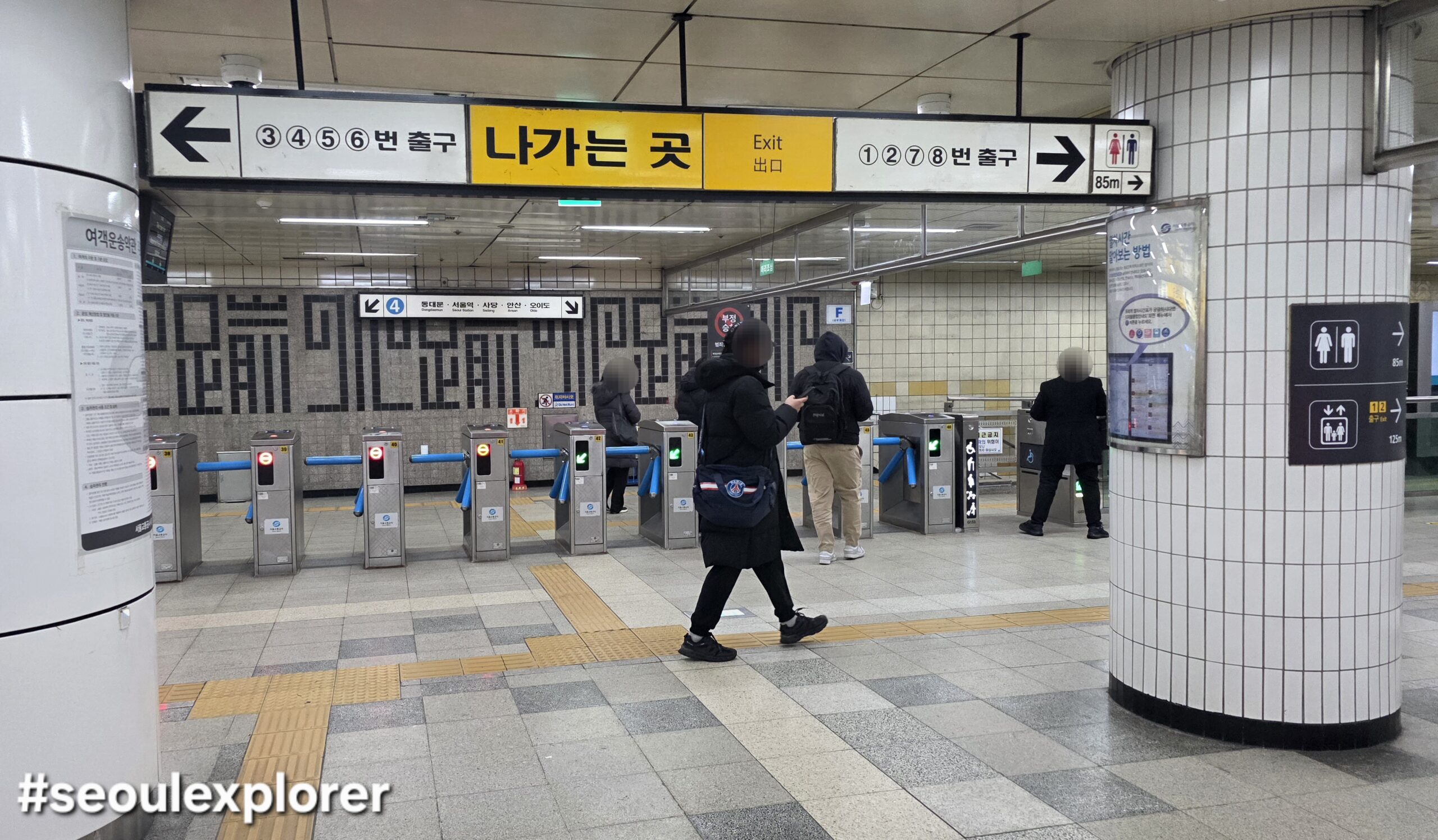
If you are traveling in South Korea, you need to know the Seoul Subway 15-Minute Rule, a life-saving system that allows you to exit and re-enter the gate without paying a second base fare. Imagine this: you’ve just tagged your T-money card and entered the station, but suddenly you realize you’re on the wrong platform, or even worse, nature calls and the only restroom is outside the ticket gate. In the past, this meant paying the 1,400 KRW base fare all over again. However, as of 2026, the Seoul Metropolitan Government has perfected a system that gives you a 15-minute grace period to fix these little travel hiccups for free. This guide will show you exactly how to master the Seoul Subway 15-Minute Rule like a true local.
What is the Seoul Subway 15-Minute Rule?
The Seoul Subway 15-Minute Rule is a policy designed to alleviate the frustration of “double charging” when passengers need to exit the gate briefly. Whether you made a mistake in direction or need to use a restroom located outside the gate, you can tag out and tag back in within 15 minutes at the same station without being charged the base fare again. This rule is a godsend for travelers who find the complex maze of Seoul’s subway lines a bit overwhelming.
Before this rule was implemented, even a 10-second mistake of entering the wrong gate would cost you money. Now, the system recognizes your initial tag and treats the re-entry as a continuation of your original journey. However, keep in mind that this only applies to the base fare; if your total travel distance increases after re-entry, a small distance-based fee might still apply.
When to Use the 15-Minute Grace Period
There are three specific scenarios where knowing the Seoul Subway 15-Minute Rule will save your day (and your wallet):
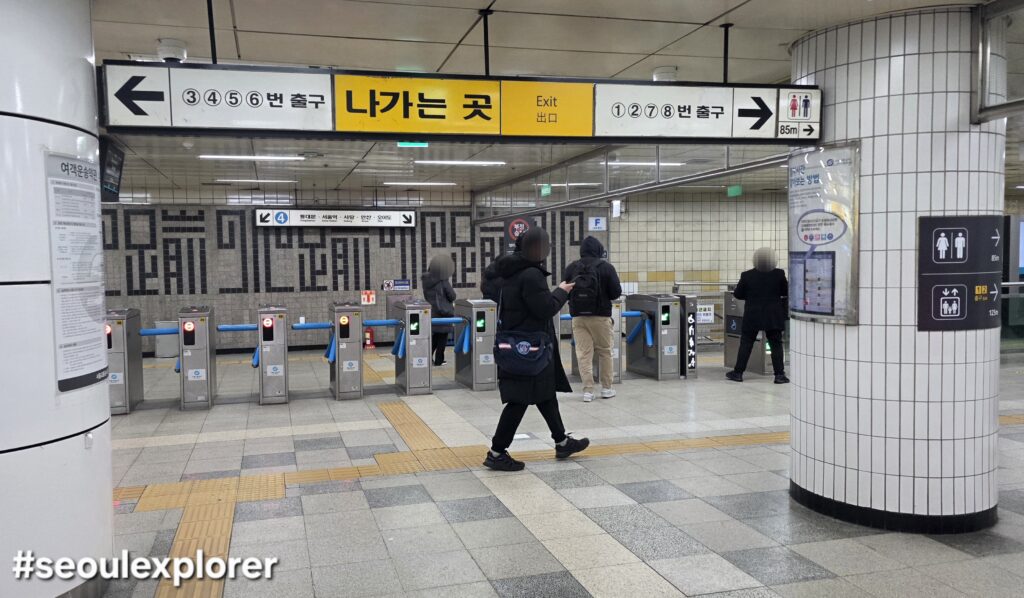
- The Restroom Emergency: Many older subway stations in Seoul have restrooms located outside the ticket gates. If you’re already inside and realize you need to go, don’t panic. Just tag out, do your business, and tag back in within 15 minutes.
- The Wrong Platform Blunder: Some stations, like the older parts of Line 2 or Line 5, have separate platforms for different directions that aren’t connected inside the gates. If you tag into the “Inner Circle” side but meant to go “Outer Circle,” simply tag out and move to the correct side.
- The Forgotten Item or Locker: If you left something at a café just outside the gate or need to access a T-Luggage storage locker that you realized is outside the gate, this rule has your back.
Essential Requirements and Constraints
To successfully utilize this system, you must meet certain technical requirements. It’s not just about the time; it’s about the tools you use.
First, this rule only works with prepaid or postpaid transportation cards. This includes the classic T-money card, the new Seoul Climate Card, and international contactless cards that support K-transportation. If you are using a Single-Use Orange Ticket (the one you buy with a deposit at the machine), this rule does not apply. You will be charged again if you exit and re-enter.
Second, the rule is valid only if you re-enter the same station on the same line. For example, if you exit at Gangnam Station (Line 2) and try to enter at Sinnonhyeon Station (Line 9), it will be treated as a new trip.
Third, you can only benefit from this rule once per trip. You cannot hop in and out of every station for 15 minutes each to run errands. Use it wisely when you truly need it!
Coverage: Where Does the Rule Apply?
As of 2026, the Seoul Subway 15-Minute Rule covers the vast majority of the metropolitan network, but there are a few exceptions you should note:
- Fully Covered: Seoul Subway Lines 1 through 9, the Ui-Sinseol Line, and the Sillim Line.
- Partially Covered: Most sections of the Gyeongui-Jungang Line and the Suin-Bundang Line within Seoul.
- Exceptions: Private lines like the Shinbundang Line or some sections far out in Gyeonggi-do may have different rules. If you are traveling deep into the suburbs, it is always safer to check if the station is part of the Seoul Metro jurisdiction.
Pro Tips for Navigating Like a Native
While the Seoul Subway 15-Minute Rule is a fantastic safety net, a true Seoulite knows how to avoid needing it in the first place. One of the best ways to stay prepared is to use the right digital tools. I highly recommend checking out my guide on 4 Essential Seoul Travel Apps to find apps that show you exactly where the restrooms are located before you even arrive at the station.
Also, if you ever find yourself stuck or the 15-minute timer has expired due to a long line at the restroom, don’t just jump the turnstile! Look for the “Help” or “Information” bell next to the wide gate (usually for wheelchairs and strollers). Press the button, wait for a staff member, and politely say “Restroom” or “Wrong way.” They are usually very kind and will open the side gate for you without charging extra.
The Seoul Subway 15-Minute Rule is a testament to how tourist-friendly Seoul has become in 2026. It removes the “fear of making a mistake” that many first-time visitors feel when facing the massive Seoul transit map. By understanding this simple 15-minute grace period, you can travel with confidence, knowing that a wrong turn or a sudden restroom break won’t cost you extra.
Whether you’re heading to Myeongdong for shopping or Yeouido for a picnic, keep this rule in mind. It’s one of those small, “hidden” local tips that separates a stressed tourist from a savvy traveler. Now that you’ve mastered the subway, why not check out my Seoul Subway Guide for T-money Refunds to make sure you get every won back at the end of your trip? Enjoy your ride and stay “Seoul-smart!”
- The Seoul Subway 15-Minute Rule: How to Use the Restroom and Fix Mistakes for Free (2026)
- Public Restrooms in Seoul: A Native’s Secret Guide to Finding Clean Spots
- The Real Olive Young Shopping List: 2026 Myeongdong Survival & Local Ranking
- Yeouido Hangang Park Delivery Survival: The “Chicken Rescue” & Etiquette Guide
- Find Your Perfect Hue: The Ultimate Guide to Personal Color Analysis in Seoul (2026)