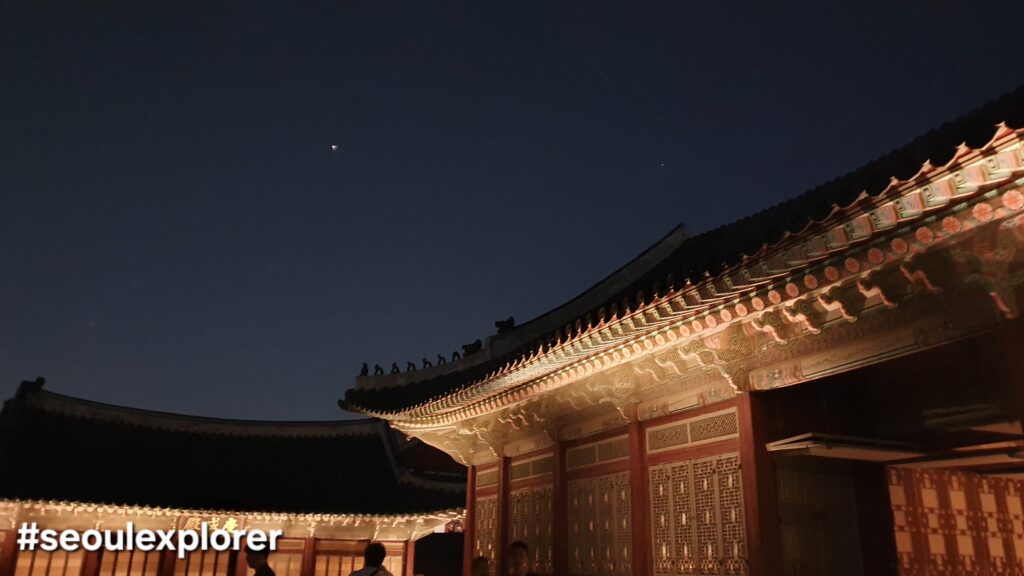
Gyeongbokgung Palace is the heart of Seoul’s history and undoubtedly the most iconic royal palace in Korea. As someone born and raised in this city, I’ve seen this palace in every season, but it never ceases to amaze me. Whether you’re a first-time visitor or a returning traveler, the best way to experience Gyeongbokgung isn’t just by walking through it—it’s by immersing yourself in the culture.
In this guide, I’ll share how to get free entry, where to find the best Hanbok, and my personal favorite spots for a post-palace meal and coffee. Since many local restaurants near the palace now use digital systems, make sure to check out our guide on [How to Order Food in Korea Like a Local: A Complete Guide to Apps and Kiosks] so you can order your lunch as smoothly as a local.
1. The Magic of Free Entry: Wearing Hanbok
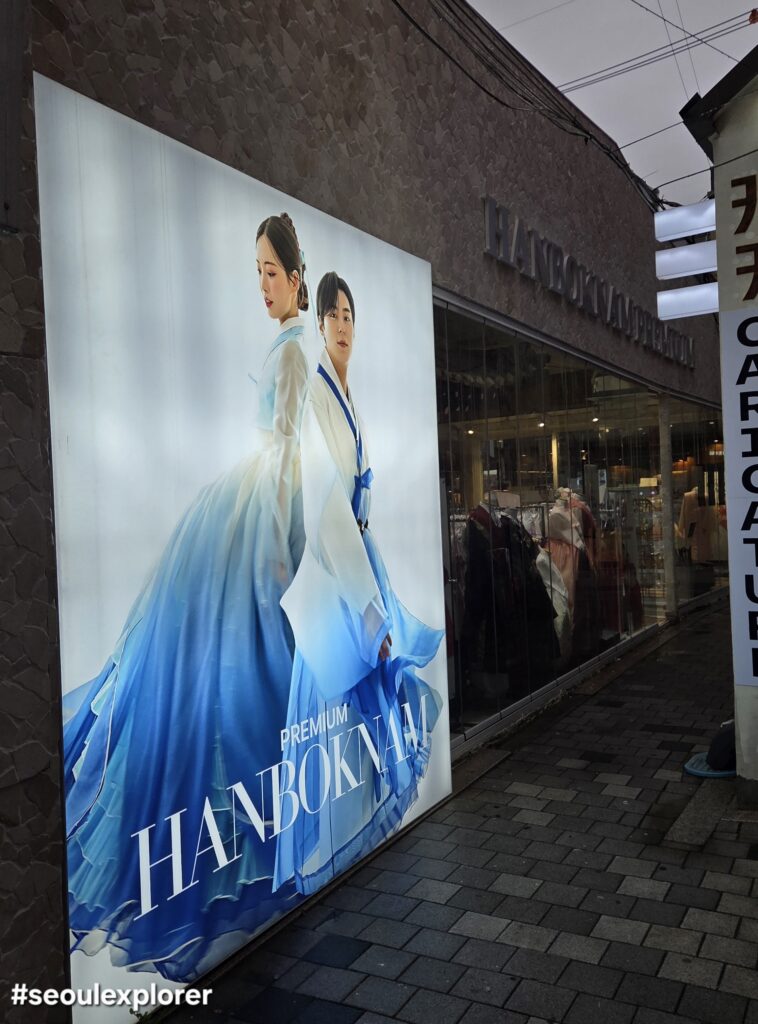
One of the best tips for visiting Gyeongbokgung Palace is that admission is completely free if you wear a Hanbok (Korean traditional clothing). Normally, the entrance fee is 3,000 KRW, but the real value is in the photos you’ll take. The palace’s grand architecture serves as the perfect backdrop for the vibrant colors of the Hanbok.
For the best experience, I recommend Hanboknam (한복남). They are famous for having a massive collection, ranging from “Traditional Hanbok” to the more ornate “Theme Hanbok” with gold embroidery and vibrant patterns.
Pro Tip: They offer hair styling services that match your Hanbok, complete with traditional hairpins (Daenggi). Having your hair done properly makes a world of difference in your photos.
Local Insight: Make sure you wear both the upper and lower garments correctly. The staff at Hanboknam will help you, so you don’t have to worry about the complex tying of the ribbons (Otgoreum).
💡 Before you head to Gyeongbokgung: Make sure you have your transportation ready. If you’re coming straight from the airport or moving around Seoul, you’ll definitely need a T-money card.
[Check out my essential guide on how to buy and use a T-money card here!]
2. Deep Dive into Gyeongbokgung Palace: What to See
Gyeongbokgung Palace is vast, so if you’re short on time, don’t miss these three:
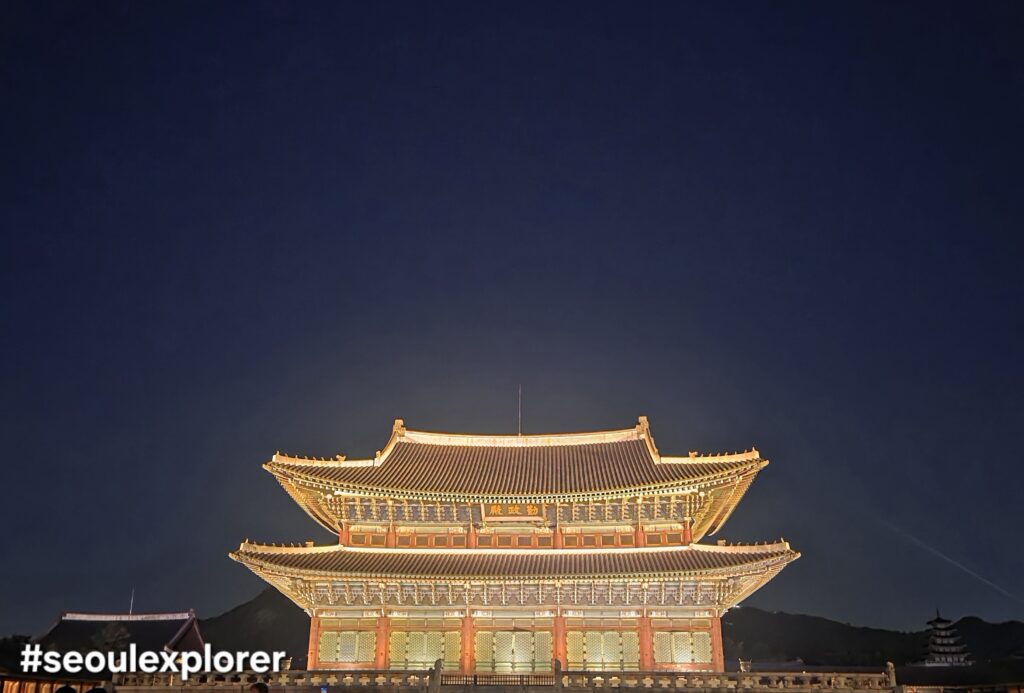
Geunjeongjeon (The Throne Hall): This is where the King held official ceremonies and greeted foreign envoys. Look closely at the ceiling; you’ll see two carved dragons representing the King’s supreme power.
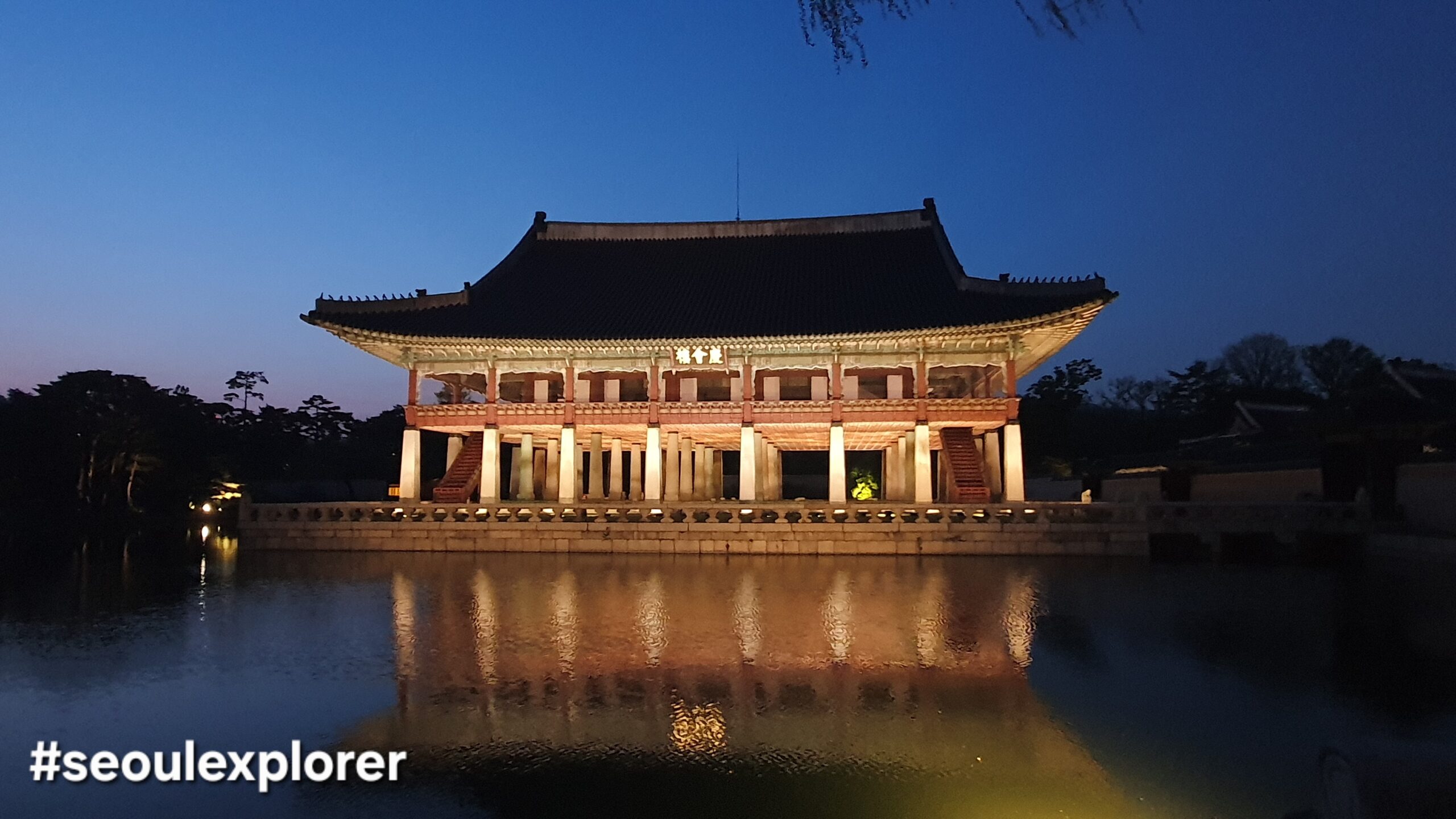
Gyeonghoeru Pavilion: This stunning pavilion sits on 48 stone pillars in the middle of a man-made pond. In the past, only the elite could enter for royal banquets. It’s arguably the most beautiful spot in the palace.
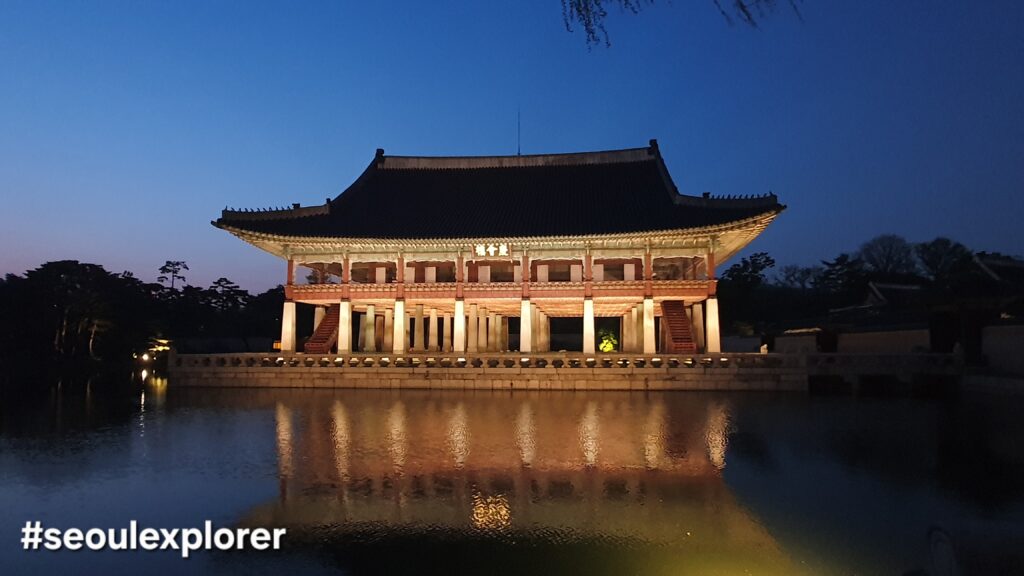
The Royal Guard Changing Ceremony: Held at the Gwanghwamun Gate (main gate) at 10 AM and 2 PM daily. It’s a vivid reenactment of Joseon-era military tradition that you shouldn't miss.
3. Foodie’s Choice: Best Eats Near Gyeongbokgung
After a long walk through history, you’re bound to be hungry. While there are many tourist traps, I recommend heading toward Seochon (the west side) or Samcheong-dong (the east side).
If you want something traditional, a bowl of Samgyetang (Ginseng Chicken Soup) is a local favorite. For something lighter, look for the small kalguksu (hand-cut noodles) shops tucked in the alleys.
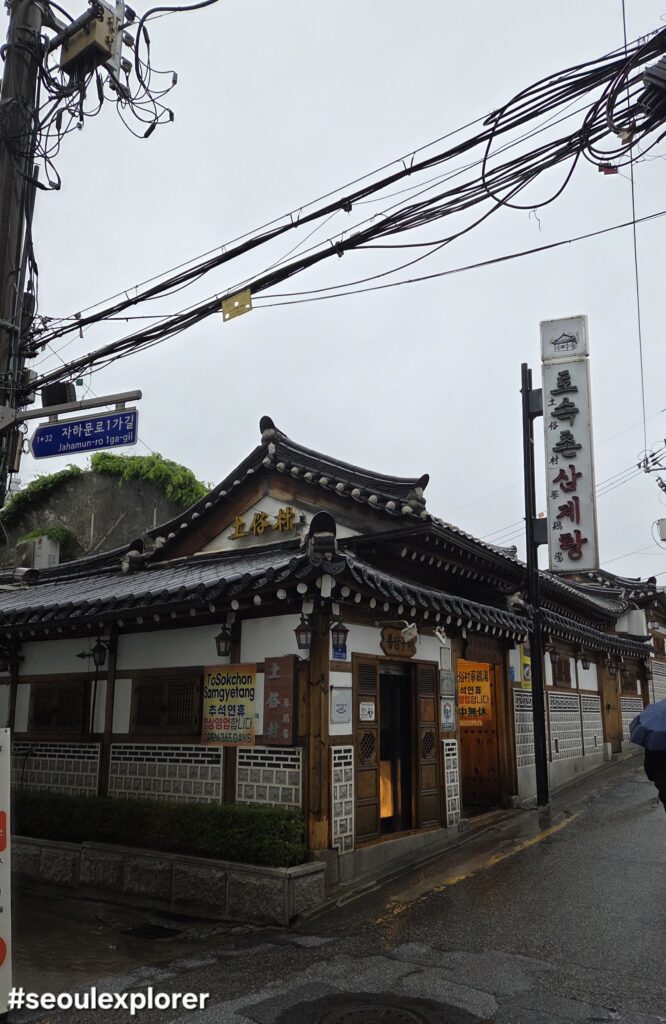
After exploring the vast palace grounds, your legs might feel heavy. It’s time for the ultimate Korean soul food. Tosokchon (토속촌) is not just a restaurant; it’s a landmark. Located in a large traditional Hanok building, they are world-famous for their Samgyetang (Ginseng Chicken Soup).
Why it’s special: Their broth is incredibly thick and nutty, made with over 30 different types of nuts and grains. The chicken is stuffed with glutinous rice, ginseng, and jujubes.
Local Tip: It’s often busy, but the line moves fast. Don’t forget to try their house-made Kimchi and Kkakdugi (radish kimchi)—they are considered some of the best in the city.
4. Resting at a Hanok Cafe
To finish your day, visit one of the many Hanok Cafes in the Seochon or Bukchon area. These cafes are renovated traditional houses that offer a unique blend of old-world charm and modern coffee culture. Sip on some traditional Omija tea or a classic Einspänner while enjoying the view of clay-tiled roofs.
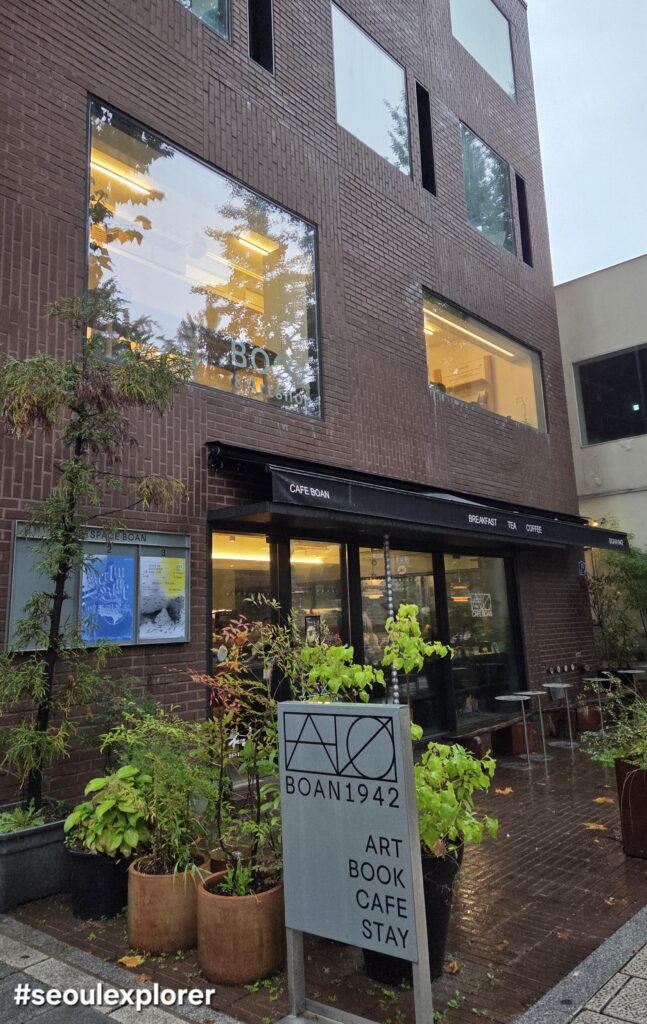
To finish your day with a touch of modern Seoul culture, head to Cafe Boan (Boan 1942). This place has a fascinating history—it started as “Boan Inn,” a lodging for struggling artists and writers for over 60 years. Now, it’s a multidisciplinary art space with a bookstore and a cafe.
- The View: The second floor offers a framed view of the Gyeongbokgung stone walls through large windows. It feels like looking at a living painting.
- The Vibe: It’s quieter and more intellectual than the bustling cafes in Bukchon. It’s the perfect place to sit down, look through your photos, and enjoy a high-quality drip coffee or traditional tea.
Gyeongbokgung Palace is more than just a historical site; it’s a place where the past and present of Seoul coexist beautifully. From the traditional threads of Hanboknam to the legendary flavors of Tosokchon and the artistic serenity of Cafe Boan, I hope this guide helps you experience the true essence of my hometown. If you need any more tips on visiting the palace or finding hidden spots in the Seochon area, feel free to leave a comment. Happy exploring!
Planning a late-night arrival in Seoul? If you’re wondering how to get to your hotel after the palace closes and the trains stop running, don’t worry.
[Read my guide on Incheon Airport Night Buses for a stress-free late-night journey!]
- Seoul Temple Stay in 2 Hours: 3 Best Spots for Busy Travelers (2026)
- Seoul Hiking Guide 2026: Rent Gear & Best Local Trails
- Stop Waiting in Line! Check Seoul Real-Time Congestion Now
- Safe Night Walk in Seoul: 5 Well-Lit Routes (2026 Native Guide)
- Escape the Haze: Seoul Fine Dust Guide 2026 & Best Indoor Itinerary Tips