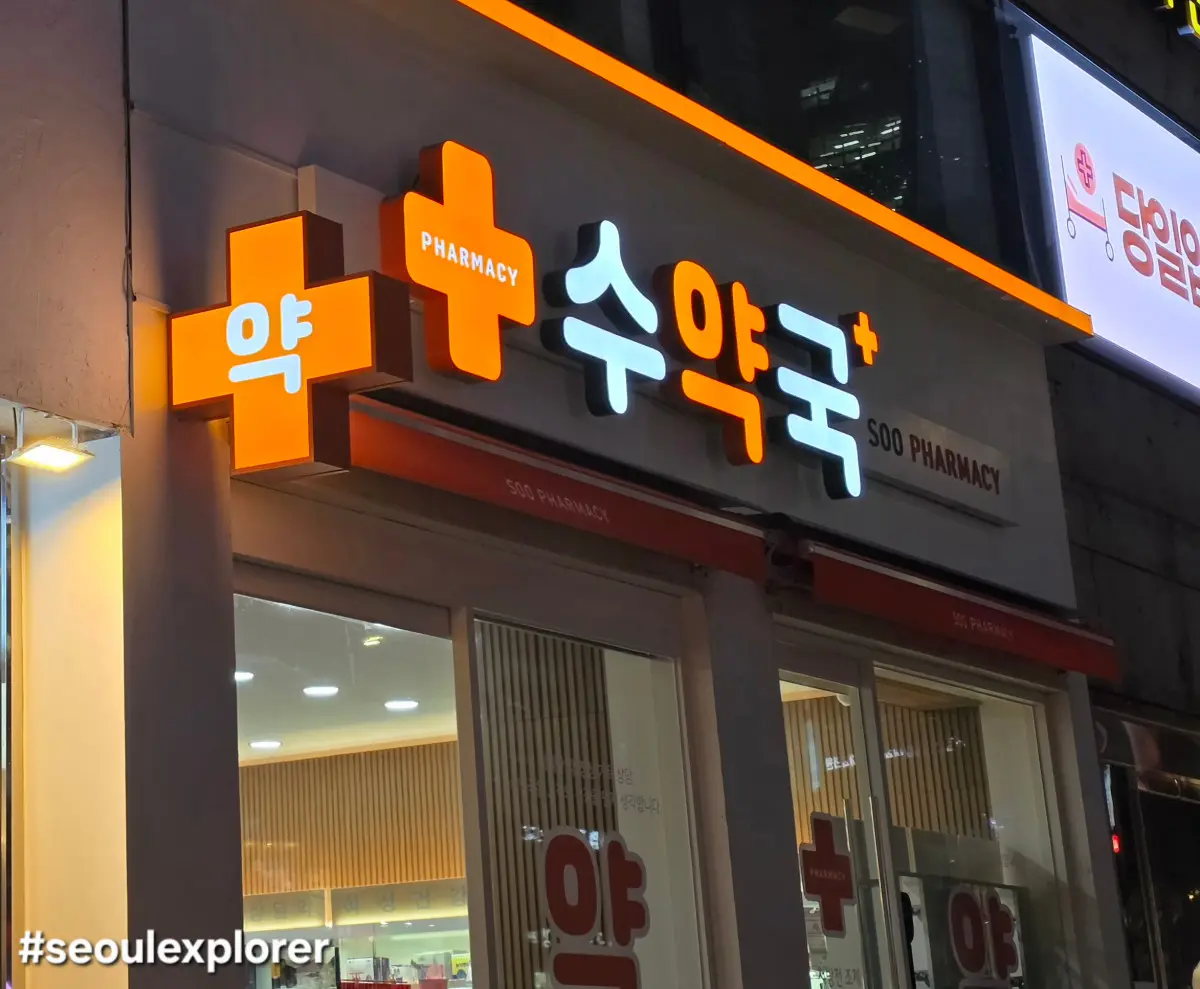
Having an Emergency in Seoul can feel overwhelming when you’re far from home. Last winter, while I was walking near Myeongdong Station, I noticed a foreign traveler asking several people where to buy medicine for a fever. Most locals genuinely wanted to help, but the language barrier made the situation more stressful than it needed to be.
That small moment reminded me that even in a city as modern and safe as Seoul, a simple headache, stomachache, or fever can feel overwhelming when you’re far from home. As someone who has lived in Seoul for many years and regularly explores different districts for this blog, I decided to create this guide based on practical information that travelers can actually use when something unexpected happens.
In this comprehensive guide, we will dive deep into everything from finding 24/7 medicines in the middle of the night to accessing world-class international clinics on a Sunday, ensuring you are prepared for any Emergency in Seoul. Bookmark this page now; it might just be the most important resource for your 2026 Seoul adventure.
1. The 24/7 Savior: Safety Medicines at Convenience Stores
In many countries, you must go to a pharmacy for even the simplest painkiller. In Korea, however, we have a “Safety Medicine” (안전상비의약품) system that is incredibly helpful during a minor medical Emergency in Seoul. This allows designated 24-hour convenience stores like CU, GS25, and 7-Eleven to sell 13 essential OTC items.
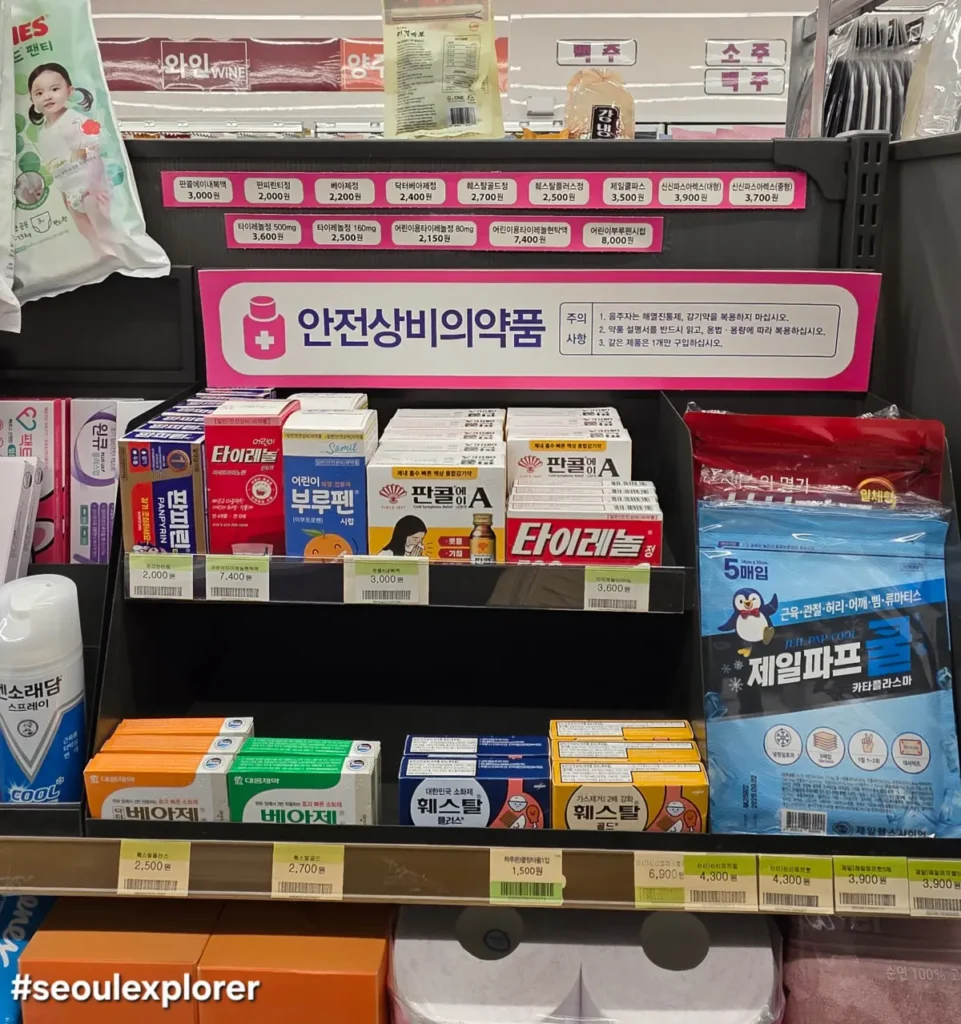
If it’s 2:00 AM and you’ve developed a fever after a long day of exploring Bukchon Hanok Village, don’t worry. Head to the nearest convenience store and look for these specific brands:
- For Pain and Fever: Tylenol (타이레놀) is the gold standard here. You can also find Pancold-A (판콜A), which is a popular liquid medicine for early cold symptoms.
- For Digestion Issues: If you overindulged in street food at Gwangjang Market, look for Festal (훼스탈) or Bearse (베아제). These are powerful digestive enzymes that help with bloating and indigestion.
- For Muscle Pain: If your legs are screaming after walking the Deoksugung Stonewall Walkway, buy Pas (파스)—medicated patches that you apply directly to the skin.
Important Note: By law, convenience stores can only sell one pack of each medicine per person to prevent misuse. Also, you must be 18 or older to purchase these items.
2. Navigating the Korean Pharmacy (Yak-guk)
While convenience stores are great for basics, a Yak-guk (약국) is where you go for expert advice, especially when dealing with a health-related Emergency in Seoul. In 2026, many Seoul pharmacies have become “smart,” featuring digital displays and sometimes even automated dispensers.
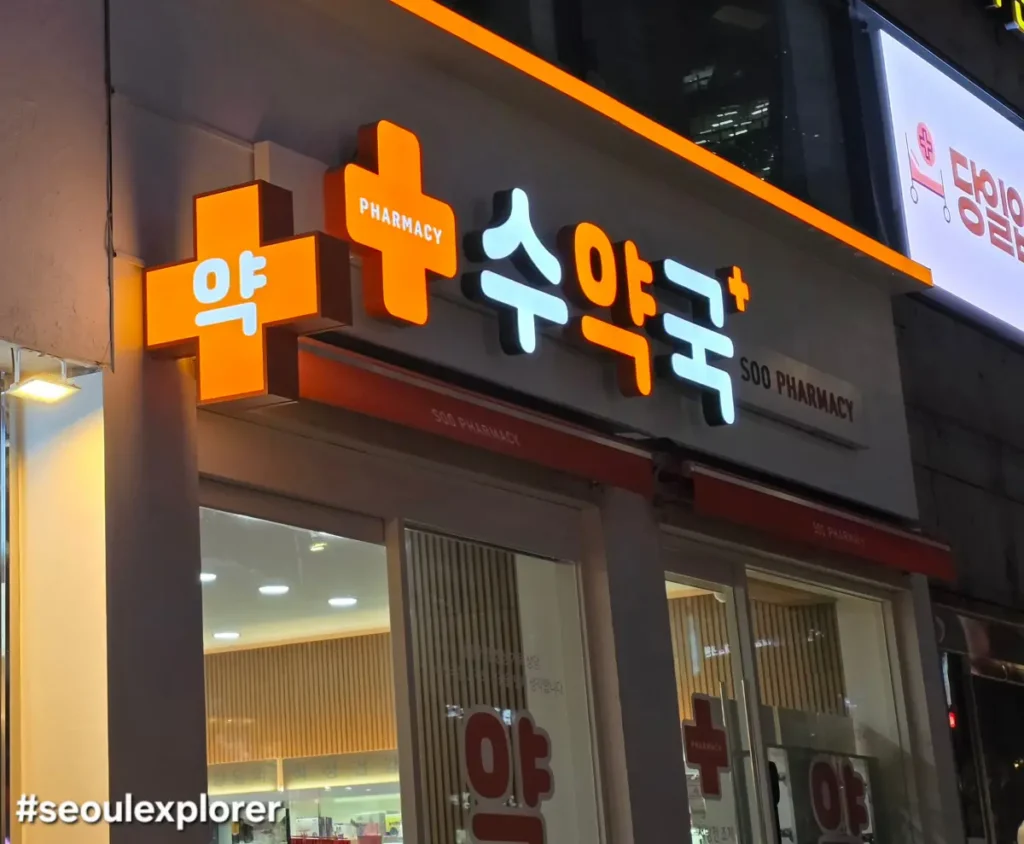
- How to Identify One: Look for the giant, usually glowing sign that simply says ‘약’. It’s one of the most important Hangeul characters to memorize!
- The Sunday Challenge: Most pharmacies in business districts close on Sundays. However, Seoul operates a “Holiday Pharmacy” (휴일지킴이약국) system. You can find which ones are open by calling the 1330 Hotline or using the Essential Seoul Travel Apps like Kakao Maps, which shows real-time opening hours.
- Communication Hack: If the pharmacist doesn’t speak fluent English, don’t worry. Show them a picture of your symptoms or use a translation app. A simple “Meori-ga apa-yo” (My head hurts) goes a long way.
My Local Experience
While updating Seoul Explorer, I checked several pharmacies around Myeongdong, Jongno, and Gwanghwamun. One thing I noticed was that pharmacy opening hours were often more accurate on Kakao Map than on Google Maps. If you’re searching late at night, I recommend checking both apps before walking to a pharmacy.
3. What to Do in an Emergency in Seoul: Call 119 or 1330
If a situation escalates beyond a simple stomach ache, you need to know who to call to handle a serious Emergency in Seoul. Korea’s emergency response is world-class and surprisingly foreigner-friendly.
119 (Emergency Rescue Service): This is your go-to for ambulances. The 119 center in Seoul uses a "three-way interpretation system." When you call, tell them your language (e.g., "English, please"), and they will immediately patch in an interpreter. It is fast, free, and efficient.
1330 (Korea Travel Hotline): Think of this as your personal concierge for safety. If you are at a small clinic and can't explain your allergy to the doctor, call 1330. They will provide over-the-phone interpretation for free. They can also tell you exactly which hospital near you has an English-speaking staff available at that very moment.
4. International Healthcare Centers: World-Class Care
For more serious situations, many international visitors choose large university hospitals that provide English-language support and international healthcare services. Hospitals such as Severance Hospital and Seoul National University Hospital are commonly recommended because they have dedicated international clinics and staff familiar with assisting foreign patients.
Pro Tip for 2026: Always bring your Passport and Travel Insurance Certificate. Without these, you will have to pay the full “uninsured” rate, which can be quite expensive, even though Korean medical costs are generally lower than in the US.
Safety as a Cultural Mindset
Finally, staying safe in Seoul often means respecting the local environment. For instance, knowing Korean dining etiquette isn’t just about being polite; it’s about understanding food safety, which can prevent a minor health Emergency in Seoul (like not using your own chopsticks in a communal pot if you’re feeling unwell).
Seoul is a high-density city. Whether you are navigating the crowded streets of Myeongdong or the narrow alleys of Ikseon-dong, keeping your wits about you and having your emergency apps ready is the best way to ensure a stress-free trip.
- Seoul Station Guide (2026): Lockers, AREX, KTX & Local Tips for First-Time Visitors
- Seoul Lost and Found Guide (2026): What to Do If You Lose Your Phone, Wallet or Passport
- Seoul Subway Lockers Guide (2026): Prices, Reservation & T-Locker Tips
- Seoul Taxi Guide (2026): How to Take a Taxi, Use Kakao T & Pay Like a Local
- Korea Transportation Tips (2026): 10 Mistakes Every Tourist Should Avoid